
The Borg-Warner Trophy: A Silver Symbol of Racing Excellence
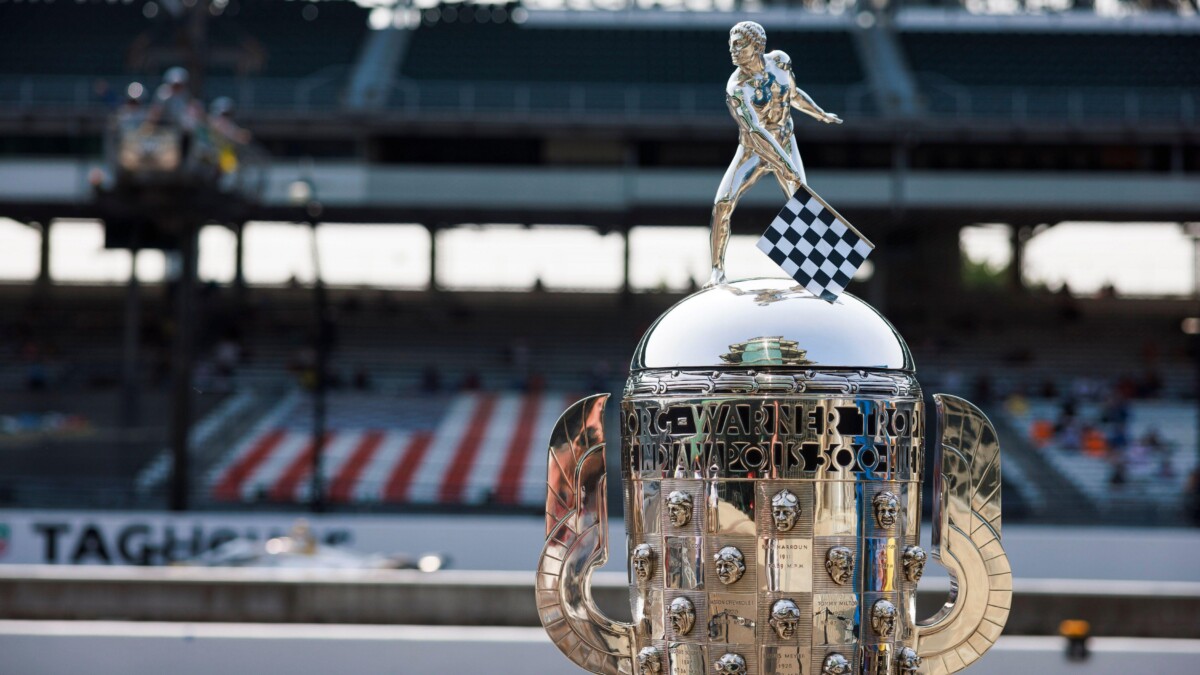
Here at Noble Metal Refining, we have a deep appreciation for craftsmanship, legacy, and the sheer beauty of precious metals. That’s why one of our favorite icons in the world of sports isn’t just about horsepower or speed—it’s about silver. We’re talking about the one and only Borg-Warner Trophy, awarded annually to the winner of the Indianapolis 500, and renowned as one of the most prestigious and visually stunning trophies in all of sports.
Let’s take a closer look at this brilliant example of precious metal artistry—and the role silver plays in making it unforgettable.
A Trophy with Speed, Style, and a Sterling History

The Borg-Warner Trophy is named for, and was commissioned by, automotive supplier BorgWarner. It was first unveiled in 1936 at a dinner hosted by then-Speedway owner, Eddie Rickenbacker. Today, the trophy is on permanent display at the Indianapolis Motor Speedway museum at the heart of the racetrack…just down the road from Noble’s full service precious metal refinery!
From the very beginning, silver has been at the heart of the trophy’s Art Deco design. This gleaming masterpiece originally stood at just over 5 feet 4 inches tall and weighed approximately 110 pounds, of which roughly 80 pounds were sterling silver. The original cost was estimated at $10,000 when commissioned in 1935.
Since then, the trophy has grown in both size and value. Two bases were added (in 1987 and 2004) to accommodate the growing number of race winners. At this writing, an ounce of silver has an exchange value of $33.45. With the trophy now estimated to weigh about 150 pounds, the material value of the silver itself adds up to about $80,280. But it’s the historical significance, craftsmanship, and status of the trophy that contribute to its true worth to the racing (and art) world. Today, the iconic trophy is valued at over $3.5 million!
A Sculpture in Silver
Known for its radiance, malleability and timeless appeal, sterling silver is the perfect alloy for crafting detailed works of art that need to stand the test of time—like the Borg-Warner Trophy, which celebrates nearly a century of racing heritage.
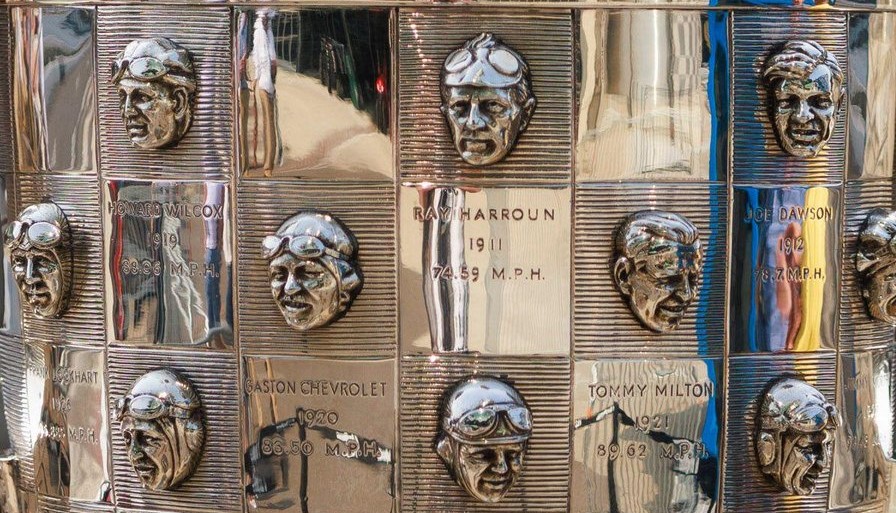
What makes the Borg-Warner Trophy truly unique is that it’s not just a shiny cup or engraved plaque. Every year, a silversmith carefully adds the sculpted, three-dimensional face of that year’s Indy 500 winner onto the trophy. Each face is cast in bas-relief and attached to the silver surface, resulting in a literal hall of fame that wraps around the body of the trophy.
Creating these tiny silver likenesses involves meticulous craftsmanship, precise casting, and expert engraving—the kind of work that showcases why silver remains such a prized material in both fine art and precious metal manufacturing.
The trophy is also inscribed each year with the winner’s name, year of victory, and average speed. This information is alternated with the faces in a checkerboard pattern, reflecting the distinctive pattern of auto racing’s finish line flag.
Putting the Pedal to the Metal!

As refiners, we love seeing silver celebrated not only for its market value but also for its cultural and symbolic worth. The Borg-Warner Trophy is a shining example (literally!) of how precious metals can capture history, achievement, and emotion in one stunning work of art. In racing, just like in refining, precision matters—and sterling silver offers both the quality and character worthy of the “Greatest Spectacle in Racing.”
Whether it’s in the hands of an Indy 500 champion or carefully purified in our refining lab, silver remains a true champion of metals!
Want to learn more about how silver and other precious metals are refined and repurposed for tomorrow’s masterpieces? Check out our ONLINE TOUR to see how we do it at Noble!